Creating a workspace at home that is both cozy and functional can significantly enhance your comfort and productivity. Whether you work remotely full-time or occasionally need a spot for focused tasks, a well-designed home office makes a big difference. In this post, we’ll explore practical tips to help you set up a space that feels inviting while meeting all your work needs.
Why a Cozy and Functional Workspace Matters
Finding the right balance between coziness and functionality in your workspace is key. A comfortable environment can reduce stress and help you focus, while a functional setup ensures you have everything you need within reach. Together, these elements create a space where work feels less like a chore and more enjoyable.
Choosing the Right Location
Consider Natural Light
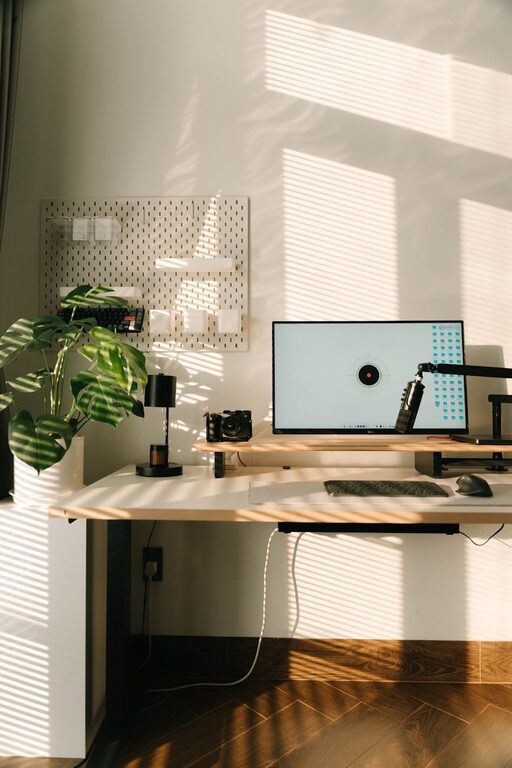
Natural light positively affects mood and energy levels. Try to set your workspace near a window so you can benefit from daylight. Avoid placing your desk directly against the window to reduce glare on your screen, but keep it close enough to enjoy the view and brightness.
Minimize Distractions
Pick a quiet corner or a separate room if possible. Avoid high-traffic areas where noise and interruptions are common. If space is limited, use room dividers or curtains to create a subtle boundary.
Selecting Comfortable and Ergonomic Furniture
Invest in an Adjustable Chair
A good chair supports your back and encourages good posture. Look for one that adjusts in height and offers lumbar support. Sitting comfortably helps prevent fatigue and long-term health issues.
Choose the Right Desk
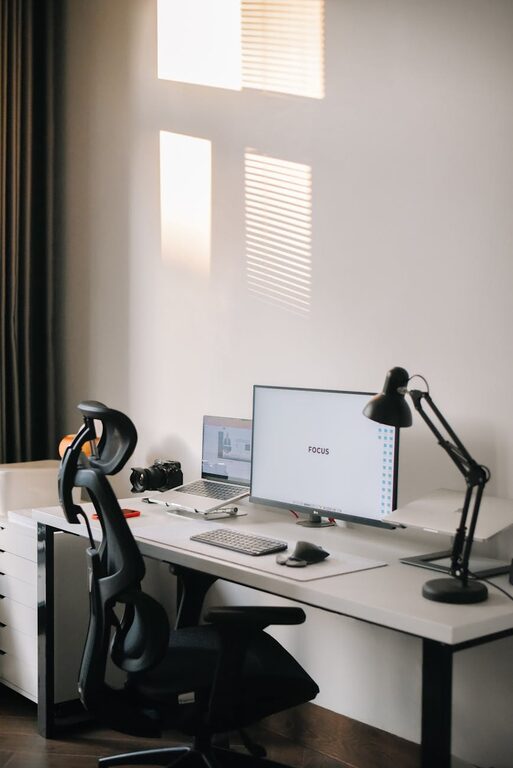
Your desk should provide enough space for your computer, accessories, and writing materials without feeling cluttered. Consider adjustable desks if you like to alternate between sitting and standing.
Add Supportive Accessories
Footrests, keyboard trays, and monitor stands can improve ergonomics further. These adjustments reduce strain on your neck, wrists, and legs.
Organizing for Functionality
Keep Essentials Within Reach
Use organizers, trays, or caddies to store everyday items like pens, notebooks, and chargers. Keeping these essentials easily accessible reduces distractions and saves time.
Declutter Your Space Regularly
A cluttered desk can hurt your focus. Develop the habit of tidying your workspace daily or weekly. Remove anything that isn’t necessary for your current tasks.
Use Vertical Storage
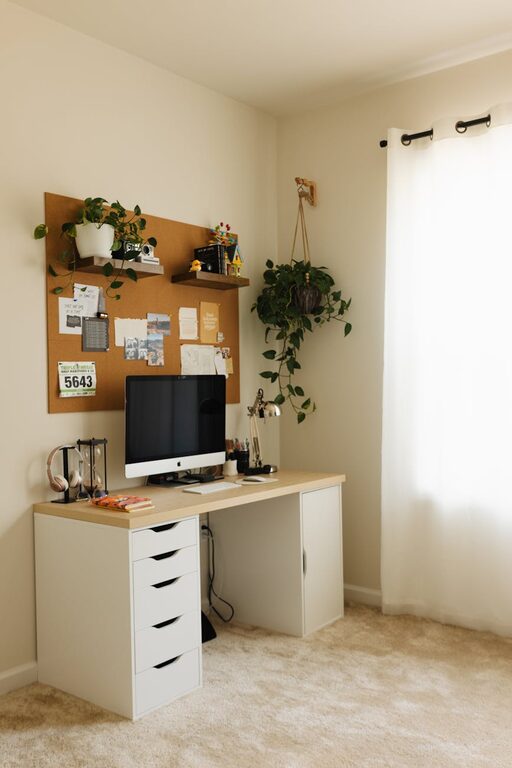
Shelves, wall-mounted organizers, or pegboards save valuable desk space while keeping supplies visible and tidy.
Adding Cozy Elements
Use Comfortable Textiles
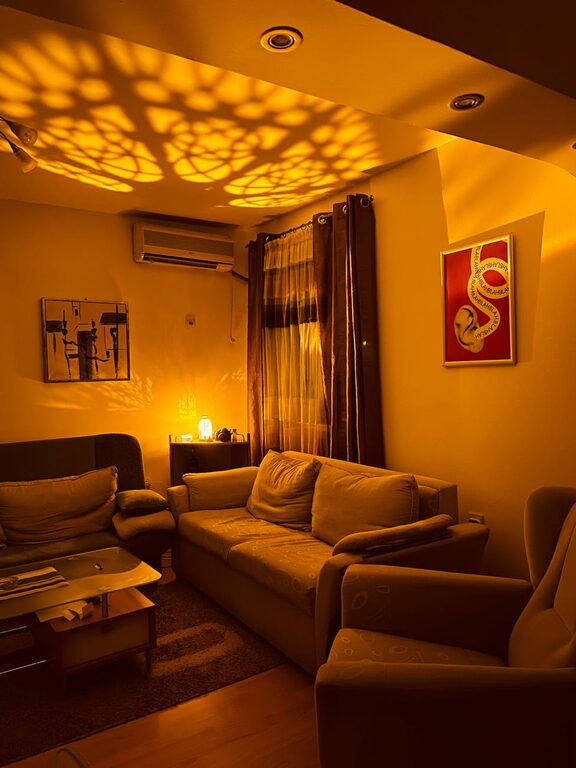
A soft rug underfoot, cushions on your chair, or a warm throw blanket can add a welcoming feel to your workspace.
Incorporate Personal Touches
Display photos, artwork, or plants to make the space uniquely yours. These items can boost your mood and creativity.
Choose Calming Colors
Soft, neutral shades or your favorite muted tones create a serene backdrop that reduces eye strain and promotes focus.
Enhancing Lighting
Layer Your Lighting
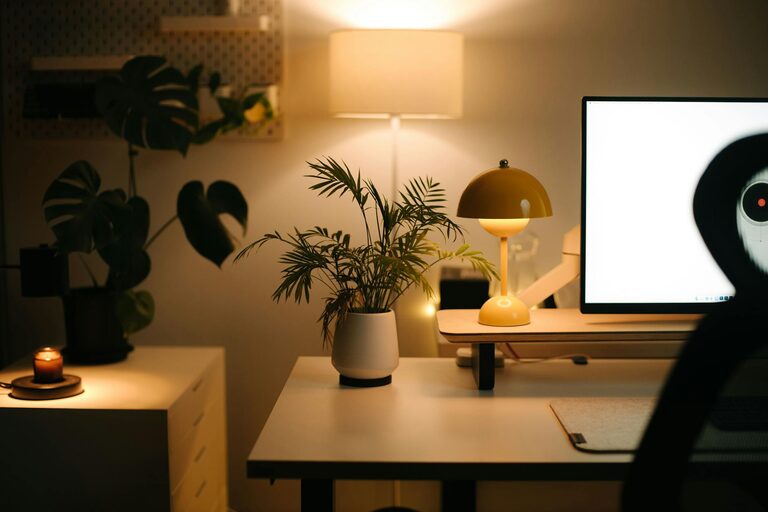
Combine ambient lighting with task lighting. A desk lamp focused on your work area helps reduce eye strain during detailed tasks, especially in the evening.
Use Warm Light Bulbs
Warm white bulbs create a cozy atmosphere, while cool white bulbs are more energizing. Choose the lighting that best suits your work style.
Managing Technology
Keep Cables Organized
Use clips or cable boxes to keep wires tidy and prevent them from tangling.
Invest in Quality Equipment
A reliable computer, keyboard, and headset improve your workflow. Don’t forget good speakers or headphones for virtual meetings.
Making Breaks Comfortable
Create a Relaxation Spot
If space allows, add a small armchair or yoga mat nearby for quick stretch breaks. Changing your posture and environment briefly refreshes your mind.
Use Timers or Apps
Schedule regular breaks to avoid burnout. Apps can remind you to stand up or do eye exercises.
Final Thoughts
Building a cozy and functional home workspace is about combining comfort with efficiency. By choosing the right location, investing in ergonomic furniture, organizing efficiently, and adding personal touches, you can create an environment that supports your best work. Remember, this space should evolve with your needs, so feel free to adjust it over time. With these tips, you’re well on your way to enjoying a comfortable and productive work-from-home experience.
About the Author