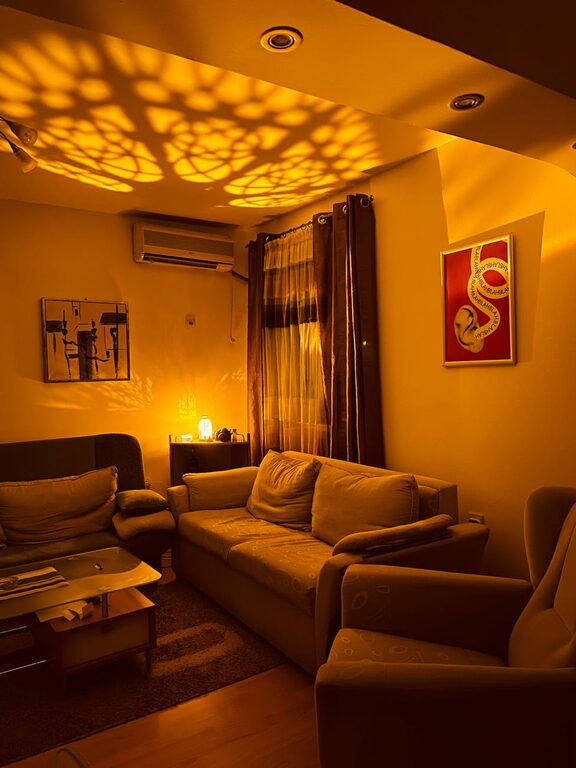
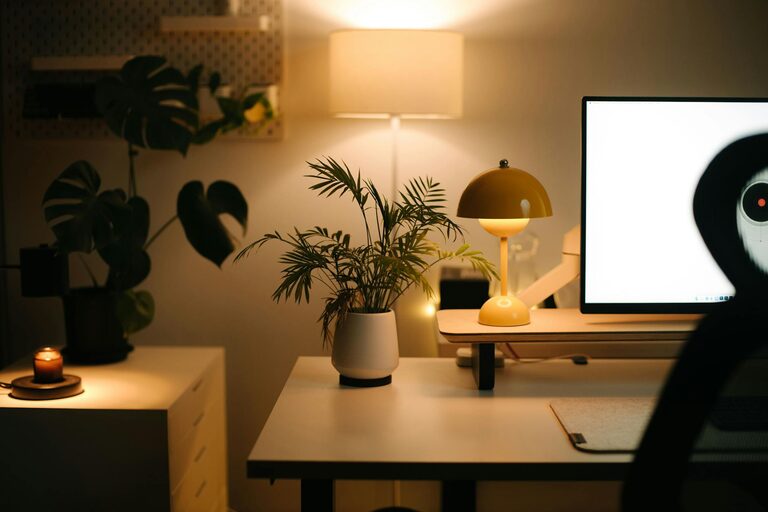
Creating a home office that feels both cozy and functional can make a huge difference in your daily work routine. Whether you work remotely full-time or occasionally tackle tasks from home, having a dedicated space that’s inviting and efficient improves focus, reduces stress, and can even boost creativity. In this guide, we’ll explore practical tips to set up a home office that balances comfort with productivity.
Why a Cozy and Functional Home Office Matters
A workspace that feels welcoming encourages you to spend time there without feeling overwhelmed. On the other hand, functionality ensures everything you need is within reach and your work flow is smooth. Combining these aspects leads to a happier, more efficient workday.
—
Choosing the Right Location
Consider Natural Light
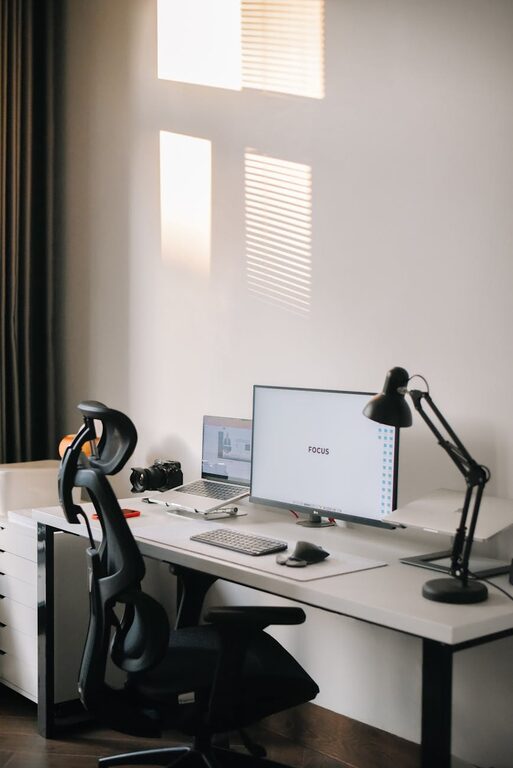
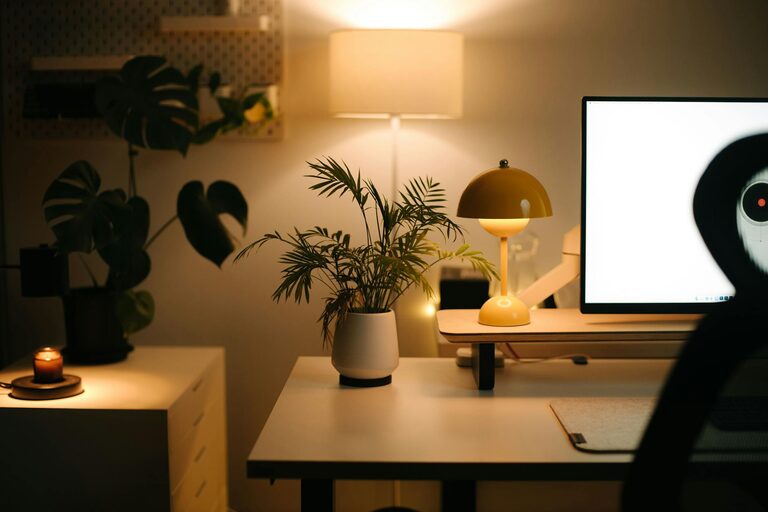
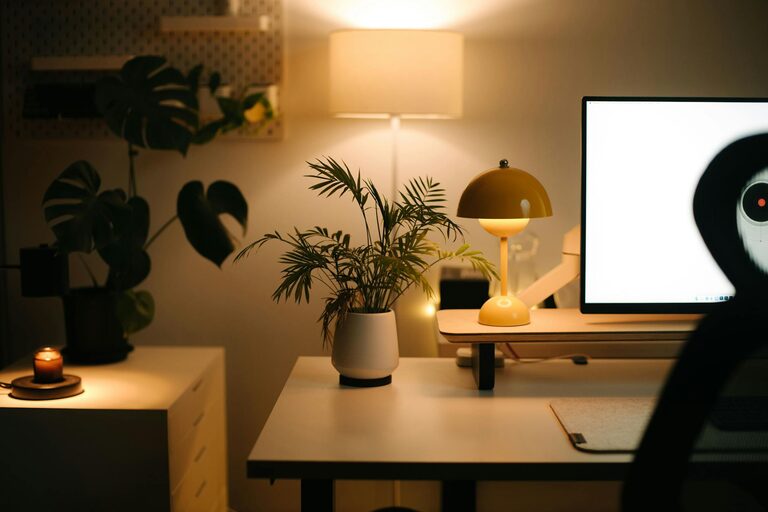
Natural light helps improve mood and prevents eye strain. Position your desk near a window if possible, but avoid glare on your computer screen. If natural light is limited, invest in quality lighting with adjustable brightness and color temperature.
Minimize Distractions
Pick a quiet corner or room with minimal foot traffic. Use room dividers or curtains if needed to separate your workspace from the rest of your home, creating a clear boundary between work time and personal time.
—
Selecting Furniture for Comfort and Function
Invest in an Ergonomic Chair
Since you’ll spend hours seated, a supportive chair is vital. Look for adjustable features like height, lumbar support, and armrests that help maintain good posture.
Choose a Desk That Fits Your Needs
Size matters—ensure your desk can comfortably hold your computer, notebooks, and other essentials. Standing desks or adjustable desks are also great for alternating between sitting and standing.
Add Storage Solutions
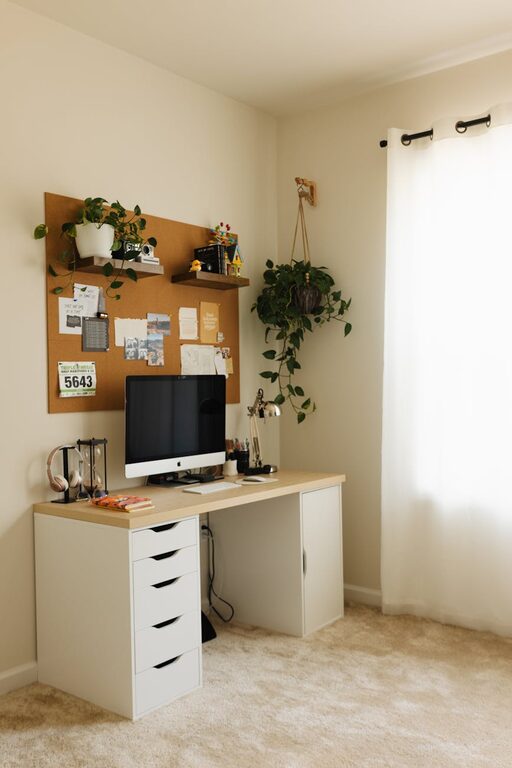
Keep your workspace tidy with shelves, drawers, or filing cabinets. Use organizers to store pens, cables, and papers, reducing clutter and helping you stay focused.
—
Designing a Cozy Atmosphere
Add Textiles and Soft Elements
Incorporate soft rugs, cushions, or a cozy throw to make the space inviting. Warm textures can brighten the atmosphere and provide comfort during long work sessions.
Personalize with Plants and Decor
Houseplants not only improve air quality but add a touch of nature that creates a calming effect. Include photos, artwork, or objects that inspire you, but avoid overcrowding the space.
Use Calming Colors
Choose colors that promote concentration and relaxation, such as soft blues, greens, or neutrals. Avoid overly bright or distracting tones.
—
Organizing Technology and Cables
Manage Cables Efficiently
Use cable clips, sleeves, or boxes to keep cords from tangling or cluttering your desk. This helps maintain a neat look and prevents damage to your equipment.
Invest in Functional Tech
Choose a reliable computer, monitor, keyboard, and mouse suited to your work style. Consider accessories like a good webcam, headset, or external hard drive depending on your needs.
—
Creating Daily Work Rituals
Establish a Start and End Routine
Having a clear routine helps signal the beginning and end of your workday, improving work-life balance. This could include a morning coffee at your desk or shutting down devices to mark the end of work.
Take Breaks and Move Around
Create reminders to stand, stretch, or walk every hour. Regular breaks reduce fatigue and help maintain productivity throughout the day.
—
Keeping the Space Flexible
Adapt to Changing Needs
Your work habits might evolve, so keep the space flexible. Consider modular furniture or portable storage so you can rearrange or update your setup when necessary.
Incorporate Multiple Use Areas
If space is limited, design your home office zone to double as a creative corner or reading nook, maximizing functionality without sacrificing coziness.
—
Final Thoughts
Designing a cozy and functional home office is about balancing comfort, organization, and aesthetics to support your unique work style. By thoughtfully choosing your location, furniture, lighting, and personal touches, you create a space that encourages focus and welcomes you to work each day. Start small—with one or two changes—and gradually build the office that keeps you inspired and productive for years to come.
About the Author