Creating a cozy and inviting home workspace can transform the way you work, helping you feel more comfortable and focused throughout the day. Whether you work remotely full-time or just occasionally, a well-designed workspace can make all the difference in your productivity and wellbeing. In this guide, we’ll explore practical and easy-to-implement tips to help you create a home office space that feels both welcoming and efficient.
Why a Cozy Workspace Matters
Before diving into the tips, it’s important to understand why the comfort and atmosphere of your workspace are key to your success. A cozy environment reduces stress and distractions, encourages creativity, and helps maintain motivation. When your workspace feels inviting, you’re more likely to spend time there and remain focused on your tasks.
1. Choose the Right Location
Find a Quiet Spot
Pick a space in your home that is relatively quiet and away from high-traffic areas. This helps minimize distractions and noise that can interrupt your workflow.
Consider Natural Light
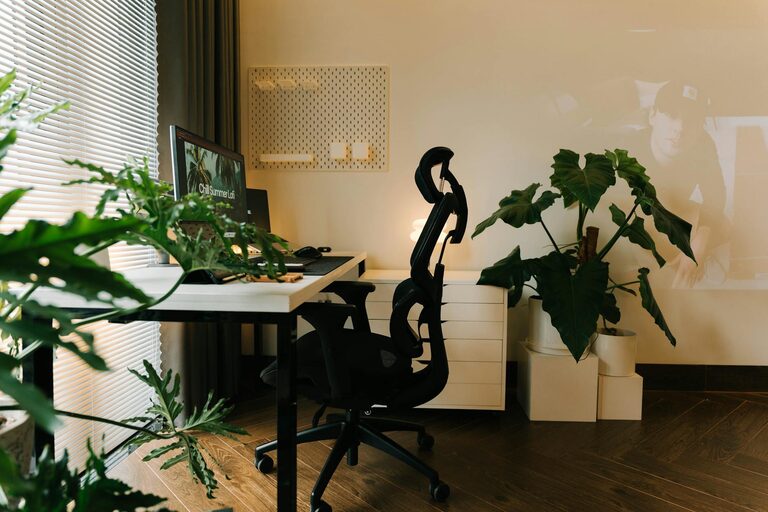
If possible, choose a location near a window to take advantage of natural light. Natural light boosts mood and energy, making your workspace more pleasant.
Evaluate Space and Privacy
Make sure the area you select has enough space for your work essentials and provides some degree of privacy, especially if you share your home with others.
2. Prioritize Comfortable and Functional Furniture
Invest in an Ergonomic Chair
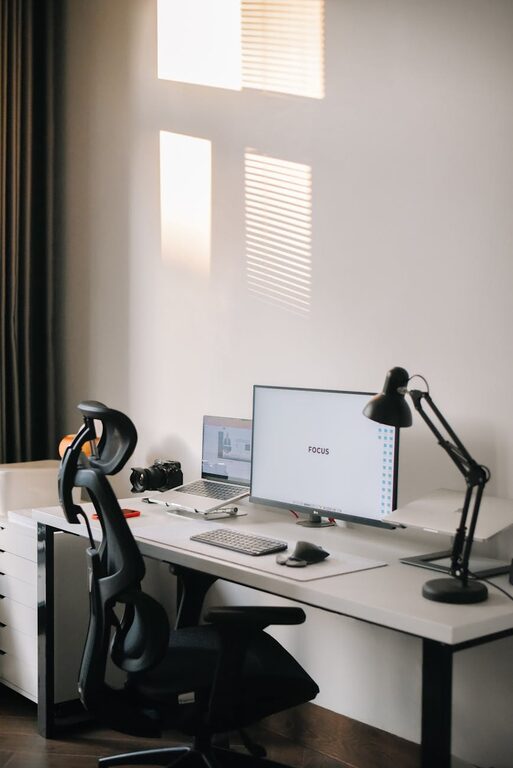
A supportive chair can prevent back pain and improve posture. Look for adjustable chairs that offer lumbar support and comfortable cushioning.
Choose a Suitable Desk
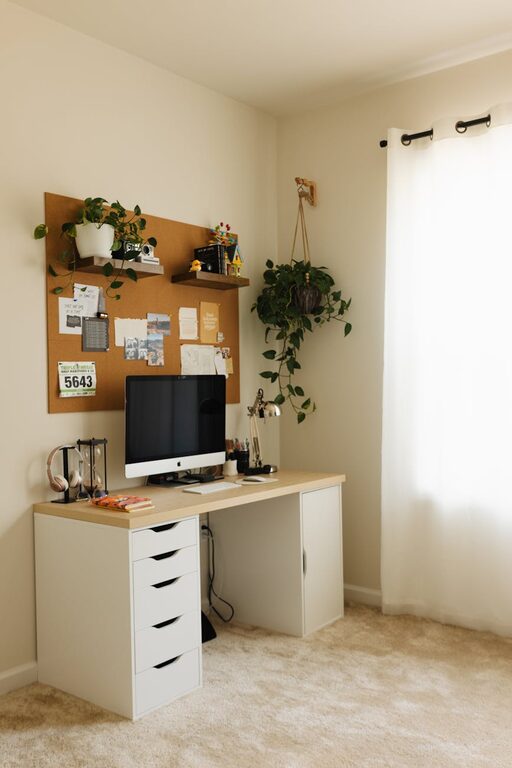
The desk should fit the space and accommodate your equipment such as a laptop or desktop, monitor(s), and any other necessary items. Consider desks with built-in storage or shelving for added organization.
Add Footrests and Accessories
Don’t forget accessories like a footrest or ergonomic keyboard and mouse, which can contribute to physical comfort during long working hours.
3. Personalize Your Space
Adding personal touches makes your workspace uniquely yours and encourages spending time there.
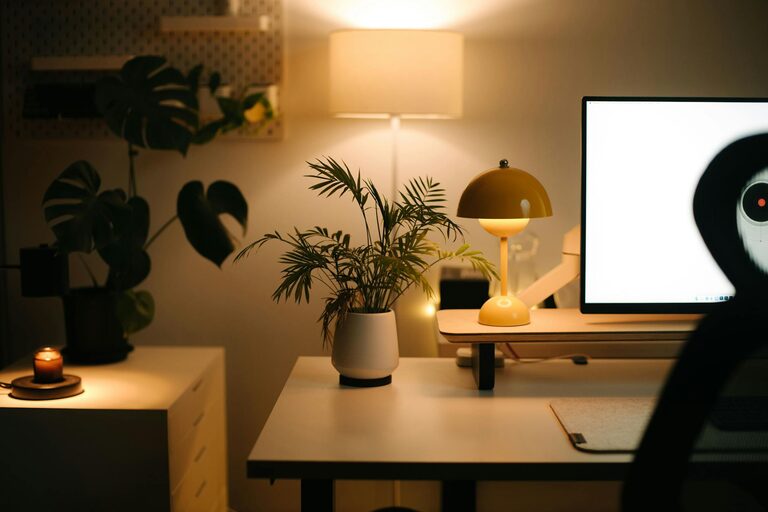
– Add Plants: Small indoor plants can improve air quality and add a lively, calming touch.
– Incorporate Photos or Art: Display family photos, inspirational quotes, or artwork that uplifts your mood.
– Use Cozy Textiles: A soft rug, cushions, or a throw blanket can create warmth and texture.
– Choose Colors Wisely: Soft, warm colors like beige, soft blue, or pastel tones tend to be calming, while brighter colors can energize.
4. Optimize Lighting
Good lighting reduces eye strain and enhances focus.
– Layer Your Lighting: Use a mix of natural light, overhead lighting, and task lighting such as desk lamps.
– Adjust Brightness: Ensure your workspace is well-lit but avoid harsh glare. Adjustable lamps provide control over lighting levels.
– Consider Warm Light Bulbs: Warm-toned bulbs feel more inviting and reduce fatigue versus cool-toned fluorescent lights.
5. Organize and Declutter
A clutter-free workspace supports mental clarity and efficiency.
– Use Storage Solutions: Utilize drawers, shelves, or desk organizers to keep materials neatly out of sight but accessible.
– Incorporate Cable Management: Use clips, sleeves, or ties to tame cords and keep surfaces tidy.
– Adopt Minimalism: Keep only the essentials on your desk to avoid distractions.
6. Incorporate Pleasant Scents and Sounds
Creating an inviting atmosphere can include sensory elements beyond just visual and tactile.
– Scented Candles or Diffusers: Lavender, citrus, or eucalyptus scents can promote relaxation or alertness.
– Background Music or Ambient Sounds: Soft instrumental music or nature soundtracks can improve focus and mask distracting noises.
7. Maintain Good Air Quality and Temperature
Comfortable air quality and room temperature support wellbeing and concentration.
– Ventilate Regularly: Open windows when possible or use an air purifier.
– Adjust Temperature: Use fans, heaters, or air conditioning as needed to keep the space comfortable.
8. Set Boundaries for Work-Life Balance
A cozy workspace isn’t just about the physical design but also how it fits into your routine.
– Define Your Workspace: Designate a specific area solely for work to help mentally separate work from relaxation.
– Signal Work Hours: Use a desk light or open workspace as a signal to yourself and others that you are “on” or “off” the clock.
– Take Breaks: Keep a comfortable chair or space nearby for breaks to recharge.
Final Thoughts
Creating a cozy and inviting home workspace takes a little planning, but it’s well worth the effort. By carefully choosing your location, investing in comfortable furniture, personalizing your space, optimizing lighting and organization, and considering all senses, you can build a workspace that makes working from home enjoyable and productive. Remember, the key is to design a space that supports your unique needs and encourages your best work every day.
About the Author